You know the drill.
Identify what you need. Communicate it clearly. Hold the line calmly. Do not over-explain or apologize. Repeat as necessary.
It is good advice. It is also, for most special needs parents, advice that delivers temporary relief and a lingering sense that something more fundamental is still unaddressed.
You set the boundary.
The guilt shows up immediately.
You hold it anyway. The resentment is still there.
The exhaustion continues.
And slowly, quietly, you start to wonder whether the problem is that you are not doing boundaries correctly -- or whether boundaries are not actually solving the problem you think they are solving.
It is the second one.
What Boundaries Actually Are
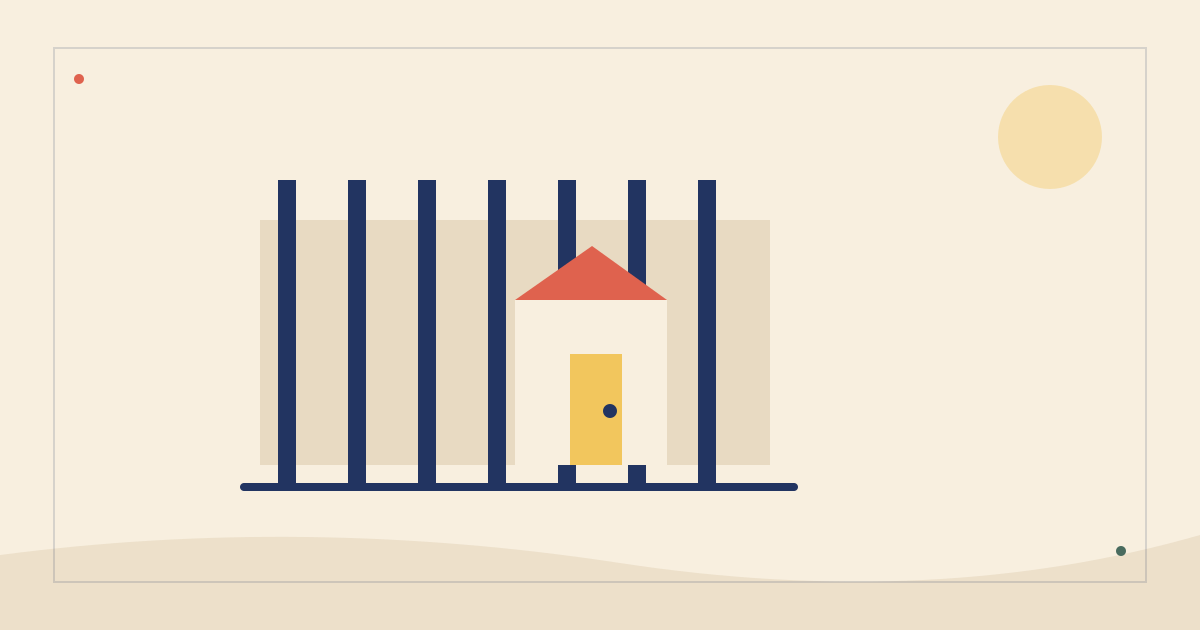
A boundary is a management strategy. It manages the distance between you and the people or situations that create discomfort, depletion, or resentment.
As management strategies go, it is a legitimate one. Sometimes distance is exactly what the season requires. I am not here to tell you that your limits are wrong.
What I want to offer is the question underneath them: why do those particular people and situations create that particular discomfort in the first place?
Because the discomfort is not arbitrary. It is precise. The relationships that drain you most consistently, the requests that feel most impossible to decline -- they are pressing on something specific inside you.
A belief.
A wound.
A program that was written long before your child was diagnosed and has been running quietly underneath every interaction since.
The boundary addresses the pressing. The inner work addresses what is being pressed.
One is a bandage. The other is healing. And they are not the same operation.
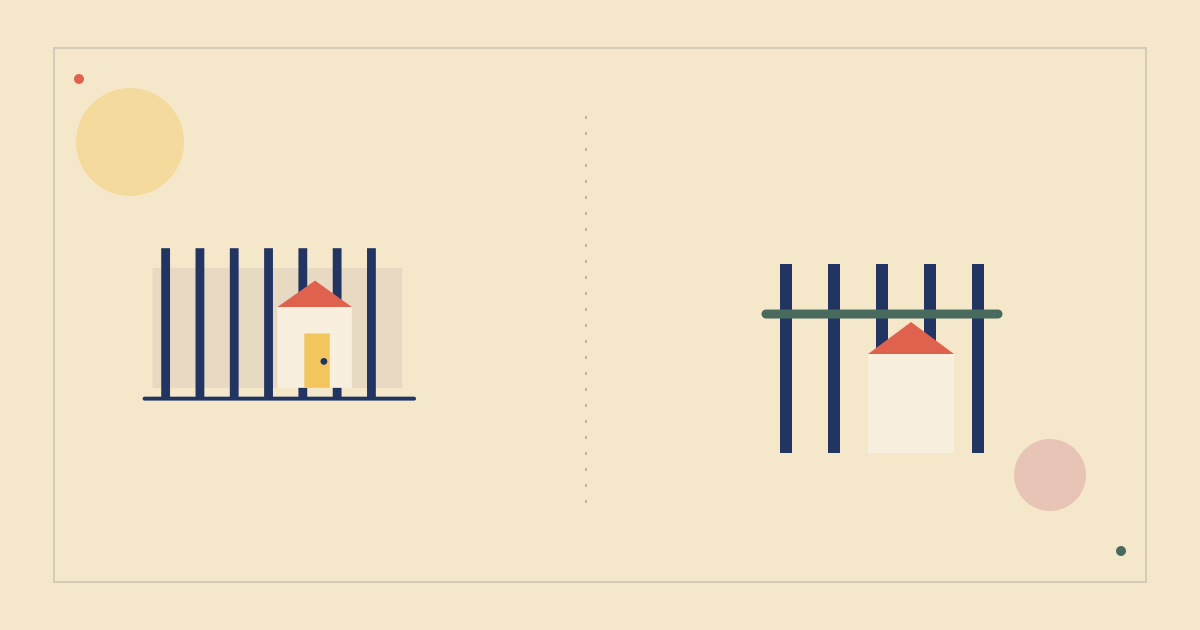
You cannot override with a script what was installed as a belief. The guilt that follows every no is the program telling you that your needs matter less than other people’s comfort. That program has to be dissolved. Not managed.
The Pattern I Kept Missing
I spent years perfecting my boundaries. I had language for them. I could deliver them calmly. I understood intellectually that I was allowed to have them.
And I was still exhausted by the maintenance of them.
The vigilance.
The bracing for the reaction.
The mental rehearsal of what I would say when the line was crossed again.
The boundary had become its own form of depletion. I was not protecting my energy. I was spending it on protection.
The day everything shifted was not the day I got better at holding my limits. It was the day I started asking what I believed that made those limits feel so costly to maintain.
Boundaries start with the one you hold with yourself.
Get The 5 Shifts, free.
Because the belief was the thing. Running silently underneath -- older than any of the relationships I was managing -- that my needs were somehow less valid than other people’s. That over-giving was the price of being loved.
That belief had been installed long before I had a child. The diagnosis just created conditions under which it became impossible to sustain.
What Over-Giving Actually Is
Over-giving is not generosity. That distinction matters enormously.
Generosity flows from fullness. Over-giving flows from fear -- the fear of what happens if you do not give, do not help, do not make yourself available. The fear that your value is conditional on your usefulness.
This is a belief installed in childhood, in families and cultures where love was conditional on performance. It runs automatically. And it makes the simple act of saying no feel like a threat to something fundamental -- because somewhere in the subconscious, it is.
The boundary is the attempt to stop over-giving from the outside. To use willpower and communication skills to override a program that is older and more deeply embedded than either.
It works sometimes. For a while. And then the guilt wears it down, or the next request comes along and the old pattern reasserts itself and you are back at the beginning.
The inner work goes to the belief itself. And when the belief dissolves, the over-giving stops not because you are managing it -- but because the fear that was driving it is no longer live.
The people and situations that require the most boundaries are almost always pressing most precisely on the unhealed parts of us. The boundary protects us from feeling that. The inner work is the willingness to feel it -- and discover that we survive it.
What Happens When the Work Goes Deeper
I want to tell you what the other side of this actually looks like.
It is not a life without friction.
What changes is the charge.
The thing that used to land with force -- the request, the comment, the crossed line -- arrives as information rather than threat.
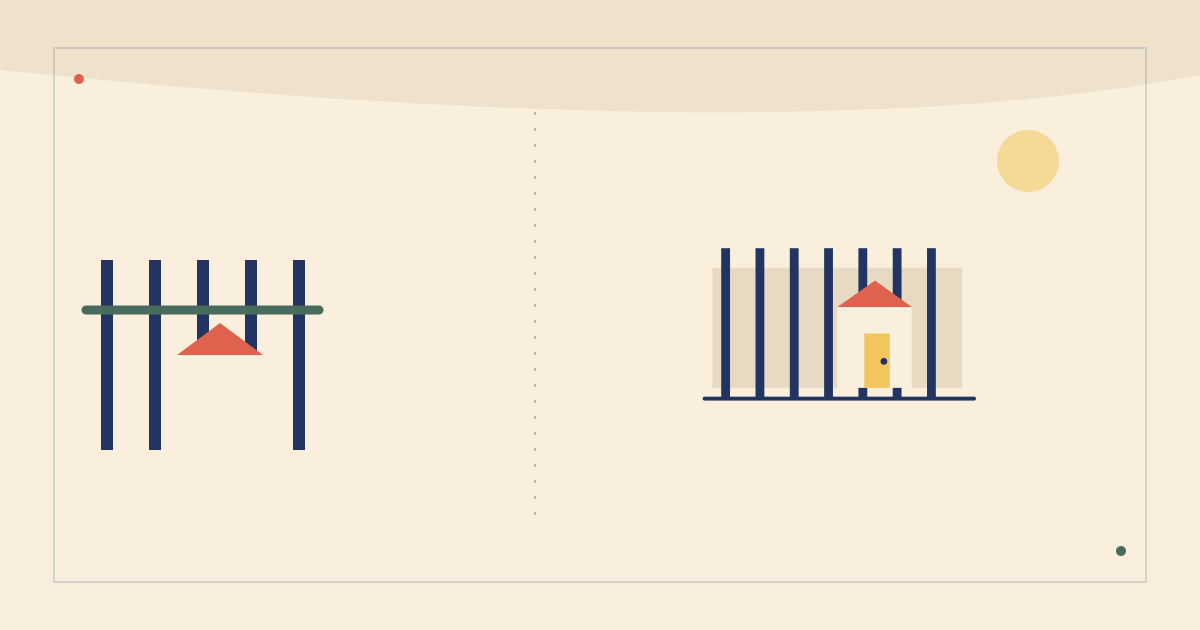
You can respond from clarity instead of from the activated place that made every interaction so costly.
The relationship that required the most careful management in my life changed entirely -- not because the other person changed, but because I stopped needing them to be different in order to feel okay. When that need dissolved, the friction that had made the boundary necessary simply was not there anymore.
I did not lower the boundary. It became unnecessary.
That is what dissolution looks like from the inside.
Not weakness.
Not resignation.
The wound the boundary was protecting, healed.
The Boundary and the Question Together
If you are in a season where boundaries are what you need, be in that season fully and without shame. Some things require distance before they can be examined.
What I am asking you to hold alongside the boundary is a question. Not instead of it. Alongside it.
The question is this: what is this protecting, and is there work available that could make the protection less necessary?
You do not have to answer today. But the asking -- held quietly, revisited honestly -- is what begins to move the work from management to transformation.
Because the parent who has been through that transformation does not love more carefully than before. They love more freely. From a place that does not need the people around them to behave in particular ways in order to feel safe.
That love -- unconditional not as an aspiration but as a natural consequence of inner freedom -- is what is waiting.
It is worth the work to get there.
CALL TO ACTION
What is the relationship in your life that requires the most management right now? And without blaming anyone -- what do you think it is pressing on inside you? Leave it in the comments. This is the conversation most people are not having.
Next week is the one this whole series has been building toward. If you have been here for all ten weeks, do not miss it.
If this landed, there's more where it came from.
Get The 5 Shifts, free.